Major events can dramatically reshape hotel demand within a city. Conferences, festivals, concerts, sporting events, and trade shows often create sudden surges in accommodation demand, giving hotels a unique opportunity to optimize pricing and maximize revenue.
Hotels that successfully identify event-driven demand early can adjust their pricing strategies to capture higher rates while maintaining strong occupancy.
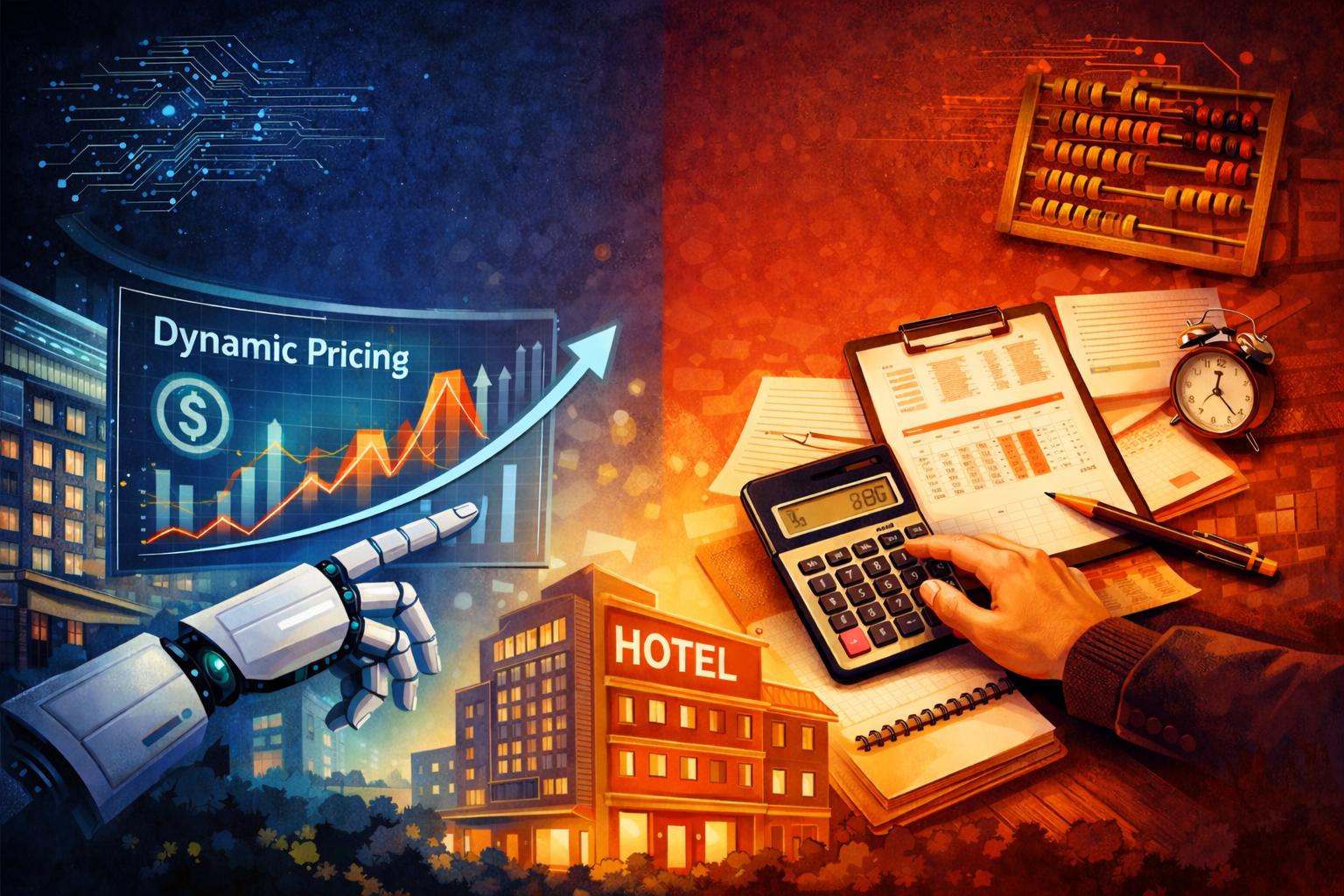
Event-based demand is one of the most powerful signals used in modern dynamic pricing strategies. When integrated with demand forecasting systems and intelligent pricing engines, event signals allow hotels to react quickly to market conditions.
To understand how demand forecasting works in more detail, explore our Hotel Demand Forecasting Guide.
Event Demand Spikes
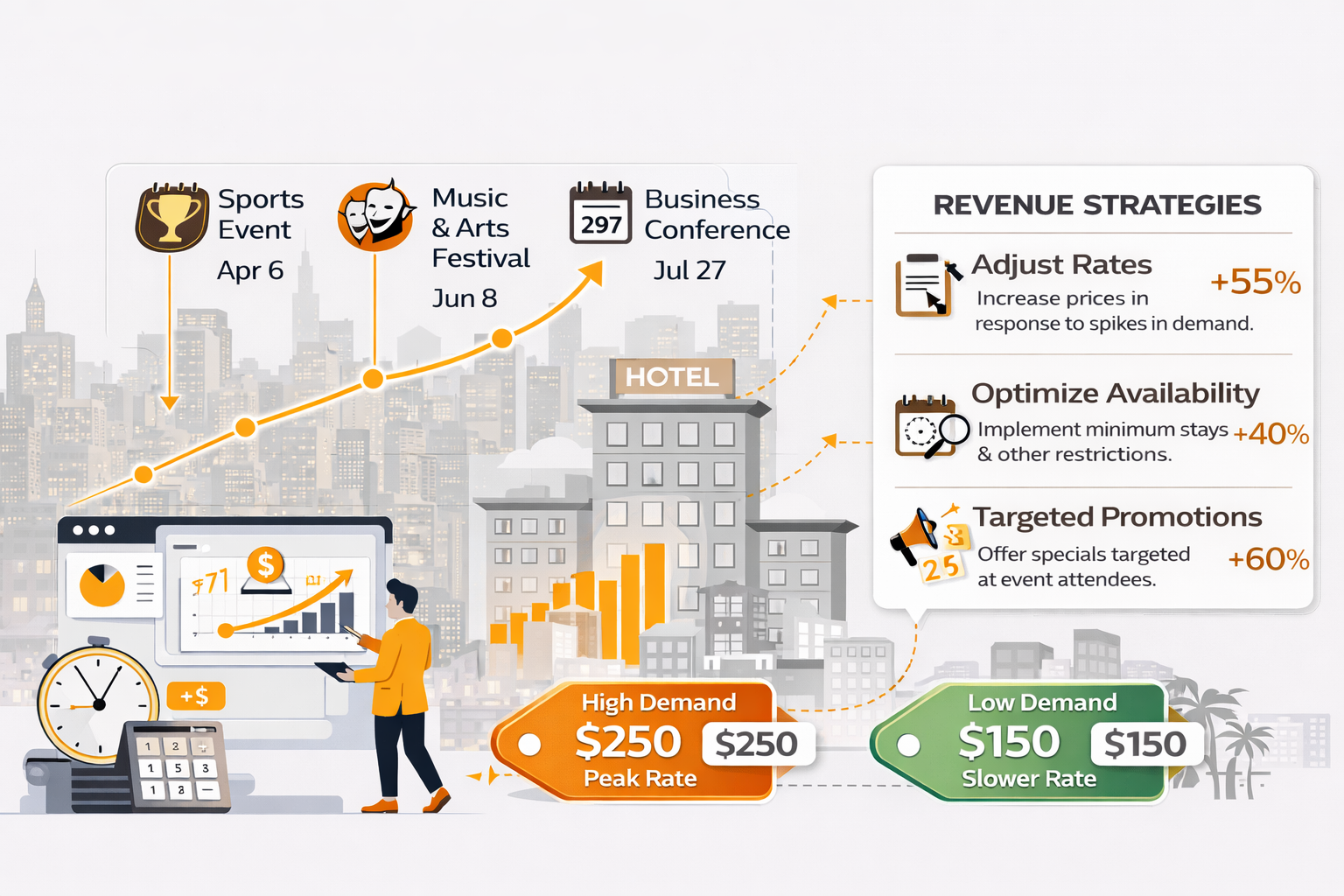
Events often cause sudden increases in hotel booking demand. These demand spikes occur when large numbers of visitors travel to a destination for a specific event.
Examples of events that typically drive hotel demand include:
international conferences
major sporting tournaments
music festivals and concerts
cultural festivals
exhibitions and trade fairs.
During these events, hotels may experience booking demand far above normal levels.
Revenue managers often observe several signals that indicate a demand spike:
increased booking pace for specific dates
higher search activity on booking platforms
reduced availability across nearby hotels
rising competitor room rates.
When these signals appear, hotels should consider adjusting prices quickly to capture higher revenue from the increased demand.
Compression Nights
One of the most important concepts in event-driven pricing is compression nights.
Compression nights occur when hotel demand exceeds available room supply within a market. During these periods, nearly all hotels in the area experience very high occupancy levels.
Compression nights often occur during:
large conventions
international sporting events
citywide festivals
holiday weekends.
When compression nights occur, the value of remaining inventory increases significantly. Hotels can raise prices substantially because travelers have fewer accommodation alternatives.
Recognizing compression nights early allows hotels to maximize revenue by increasing prices before rooms sell out.
City-Wide Demand Signals
Events that impact an entire city create strong demand signals that influence hotel pricing across the market.
City-wide demand signals include:
large-scale conferences or conventions
government or corporate events
international exhibitions
major sporting championships.
Hotels located near event venues typically see the strongest demand increases, but nearby properties may also benefit from spillover demand.
Revenue managers often monitor:
convention center schedules
local event calendars
airline capacity increases
tourism board announcements.
These signals help forecast demand spikes and inform pricing decisions.
Understanding city-wide demand is essential for successful event pricing strategies.
Event Forecasting Strategies
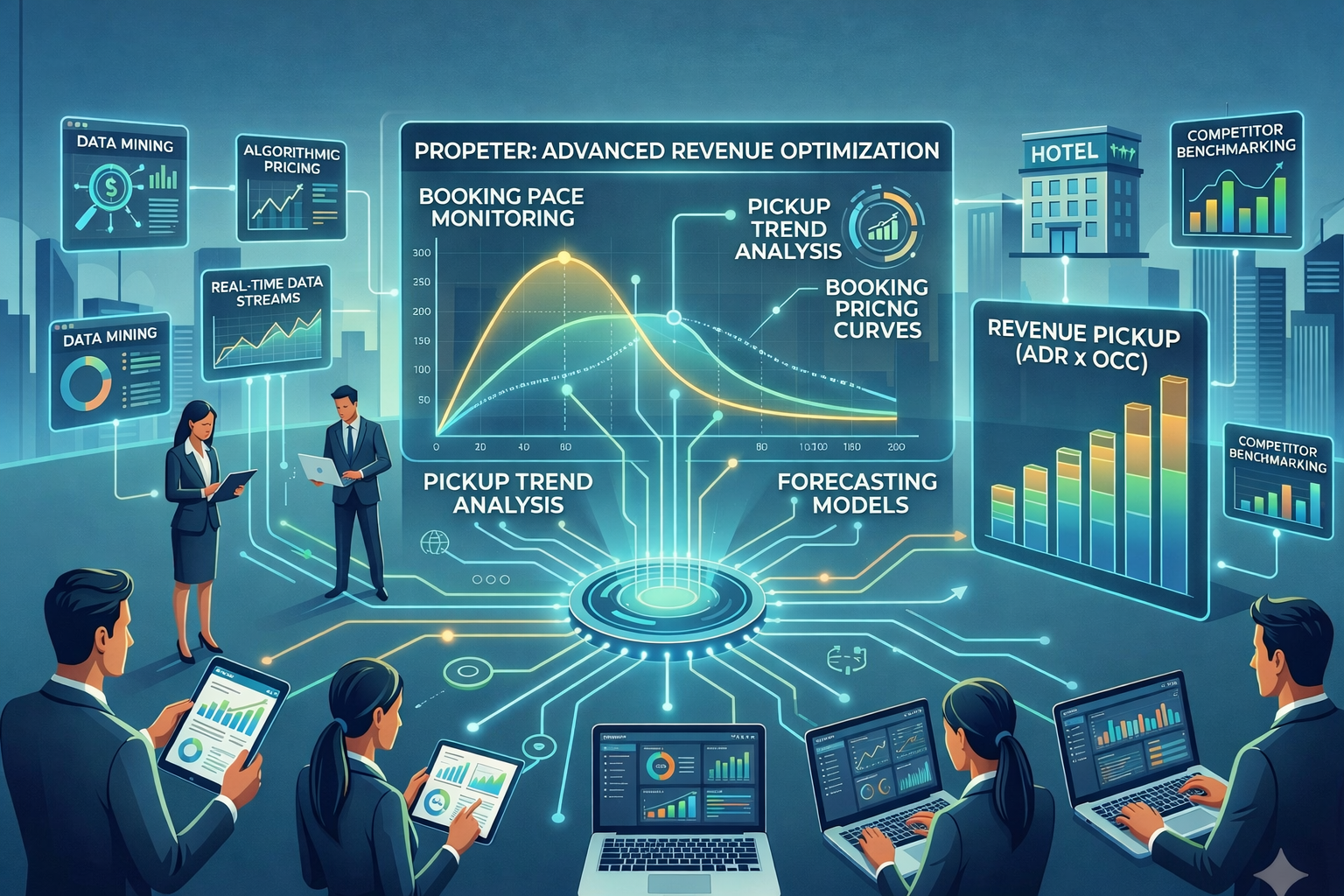
Successful event pricing begins with accurate demand forecasting.
Hotels use several forecasting strategies to anticipate event-driven demand.
Historical Event Analysis
Many cities host recurring events such as annual conferences or festivals. By analyzing historical booking patterns for these events, hotels can predict future demand levels.
Event Calendar Monitoring
Revenue teams monitor local event calendars to identify upcoming demand drivers.
Major event announcements often provide early signals of future demand spikes.
Booking Pace Analysis
When bookings for specific dates begin arriving faster than usual, it may indicate upcoming event-driven demand.
Revenue managers compare current booking pace with historical patterns to detect these signals.
Market Demand Indicators
Hotels may also analyze broader travel indicators such as airline bookings, tourism demand trends, and destination search activity.
These indicators help refine demand forecasts and improve pricing decisions.
For a deeper understanding of demand forecasting models, visit our Demand Forecasting Guide.
Revenue Strategies During Events
Events present significant revenue opportunities for hotels. However, capturing these opportunities requires strategic pricing decisions.
Hotels often apply several revenue strategies during high-demand events.
Dynamic Price Increases
As demand increases and occupancy rises, hotels gradually raise room rates to reflect higher market demand.
Minimum Stay Requirements
Hotels may implement minimum stay restrictions during major events to maximize revenue across multiple nights.
For example, a three-night minimum stay may be required during a major convention.
Limited Discounting
During strong demand periods, hotels often reduce promotional discounts and focus on higher-yield bookings.
Premium Room Pricing
Luxury room categories and suites may experience particularly strong demand during major events. Hotels often adjust pricing for these room types to reflect their higher value.
Strategic Inventory Allocation
Hotels may allocate inventory strategically across different distribution channels to maximize revenue and reduce commission costs.
These strategies allow hotels to capture the full revenue potential of event-driven demand.
For a deeper look at how pricing strategies adapt to demand conditions, explore our Dynamic Pricing Guide.
Conclusion
Events play a critical role in shaping hotel demand and pricing strategies. Major conferences, festivals, and sporting events can create powerful demand spikes that allow hotels to increase prices and maximize revenue.
Successful event pricing requires careful monitoring of demand signals, accurate forecasting, and strategic pricing adjustments.
Hotels that identify event-driven demand early can capitalize on compression nights, adjust pricing proactively, and capture higher revenue during peak demand periods.
By combining demand forecasting, competitor analysis, and dynamic pricing strategies, hotels can transform major events into powerful revenue opportunities.
Optimize Your Event Pricing Strategy
Discover how Propeter’s intelligent pricing engine detects event-driven demand signals and automatically adjusts hotel pricing for maximum revenue performance.