

Hotels today distribute their inventory across multiple booking channels, including direct websites, online travel agencies (OTAs), global distribution systems (GDS), and corporate booking platforms.
Each channel offers access to different types of travelers and generates demand in unique ways. However, these channels also carry different acquisition costs and commission structures.
A well-designed hotel distribution strategy focuses on optimizing the channel mix to maximize revenue while controlling distribution costs.
By carefully balancing OTA visibility with strong direct booking performance, hotels can improve profitability and strengthen long-term revenue performance.
To understand how revenue metrics influence distribution strategy, explore our RevPAR Optimization Guide.
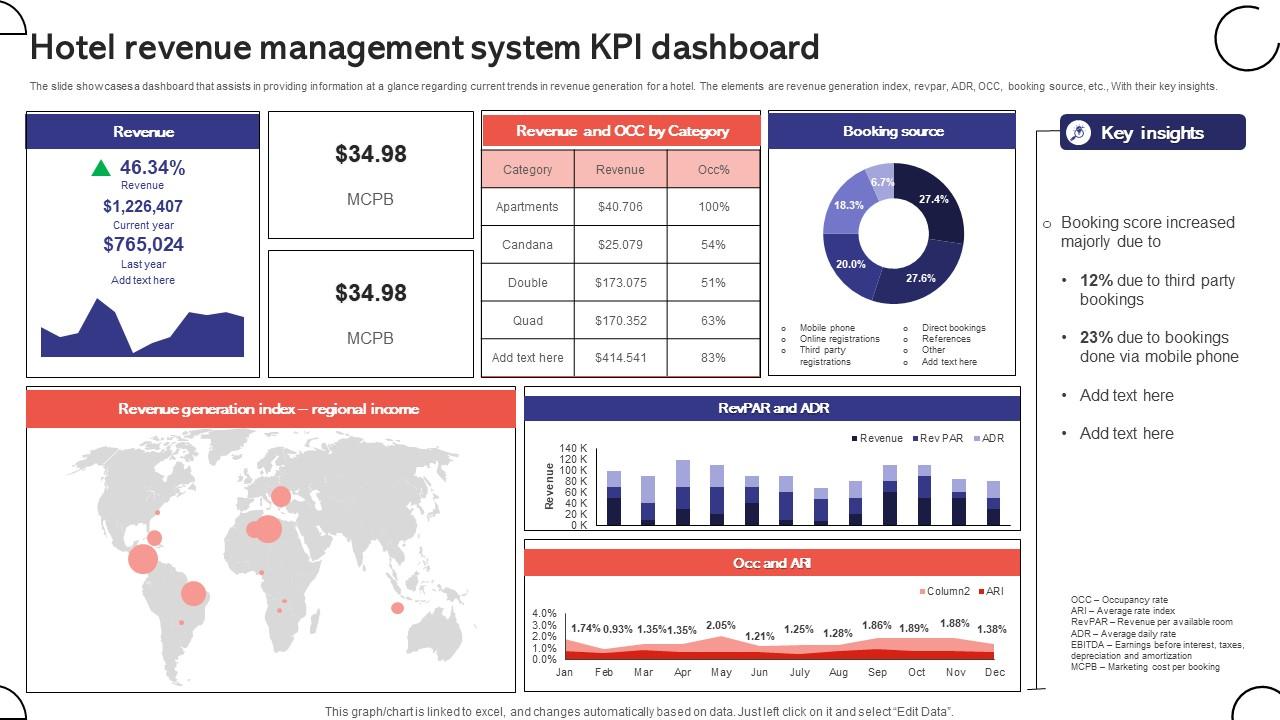
Distribution Channels
Hotels typically rely on several distribution channels to reach potential guests.
Direct Booking Channels
Direct bookings occur when guests reserve rooms through the hotel’s own website, mobile app, or reservation system.
These bookings are highly valuable because they avoid third-party commissions and provide hotels with direct access to guest data.
Online Travel Agencies (OTAs)
OTAs such as major travel marketplaces provide global exposure and attract travelers who are comparing multiple hotel options.
These platforms generate significant demand but typically charge commission fees for each booking.
Global Distribution Systems (GDS)
GDS platforms connect hotels with travel agents and corporate booking systems.
These channels are commonly used by business travelers and corporate clients.
Corporate and Group Channels
Hotels often negotiate corporate contracts or host group bookings for conferences, meetings, and events.
These channels can provide consistent demand, particularly during weekdays.
A balanced distribution strategy ensures hotels capture demand from multiple segments while maintaining revenue efficiency.
Commission Costs
One of the most important considerations in channel mix optimization is distribution cost.
Each booking channel has a different cost structure.
Typical commission ranges include:
- Direct bookings: minimal or no commission
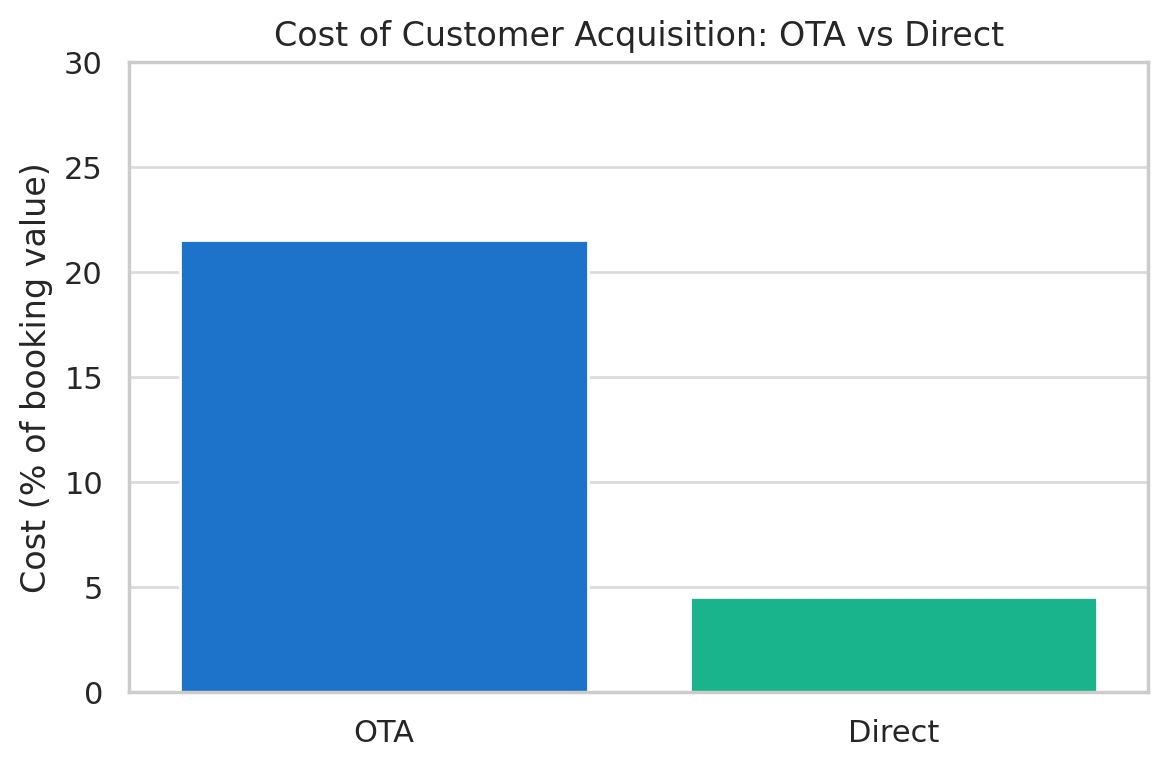
- OTAs: approximately 15–25% commission
- GDS bookings: additional booking and transaction fees.
These commission costs can significantly impact profitability.
For example, two bookings with the same room rate may produce very different profit margins depending on the distribution channel.
Example:
| Channel | Room Rate | Commission | Net Revenue |
| Direct | $200 | 0% | $200 |
| OTA | $200 | 20% | $160 |
This example illustrates why hotels aim to increase direct bookings while still leveraging OTAs for demand generation.
Channel Optimization Strategies
Hotels use several strategies to optimize their channel mix and maximize revenue performance.
Encouraging Direct Bookings
Hotels often promote direct bookings through:
- loyalty programs
- member-only rates
- exclusive website offers
- direct booking incentives.
These strategies encourage guests to book directly rather than through third-party platforms.
Strategic OTA Participation
While OTAs charge commissions, they also provide strong visibility and demand generation.
Hotels can use OTAs strategically by:
- targeting international travelers
- filling low-demand periods
- increasing visibility in competitive markets.
Channel-Specific Pricing Strategies
Hotels may adjust pricing strategies across different channels while maintaining rate parity where required.
For example, value-added benefits may be offered on direct channels rather than lowering rates.
Inventory Allocation
Revenue managers may allocate room inventory across channels strategically.
For example, hotels may prioritize direct bookings during high-demand periods while using OTAs to generate demand during slower periods.
These strategies help hotels maintain a healthy balance between occupancy and profitability.
Revenue Impact of Channel Mix
Channel mix directly influences hotel revenue performance.
An optimized distribution strategy can improve:
- overall profitability
- RevPAR performance
- guest relationship management
- long-term customer loyalty.
Hotels that rely too heavily on high-commission channels may experience reduced margins even when occupancy levels are strong.
Conversely, hotels that successfully grow their direct booking channels often achieve stronger revenue performance and greater control over guest relationships.
By monitoring channel performance and adjusting distribution strategies accordingly, hotels can create a more sustainable revenue model.
Conclusion
Channel mix optimization is a critical component of modern hotel revenue management.
By balancing OTA visibility with strong direct booking performance, hotels can maximize revenue while controlling distribution costs.
Successful hotel distribution strategies involve understanding channel economics, targeting the right guest segments, and optimizing inventory allocation across platforms.
Hotels that actively manage their channel mix gain a significant advantage in both revenue growth and long-term profitability.
Optimize Your Hotel Revenue Strategy
Discover how Propeter’s intelligent pricing engine helps hotels analyze channel performance, optimize distribution strategies, and maximize revenue outcomes.