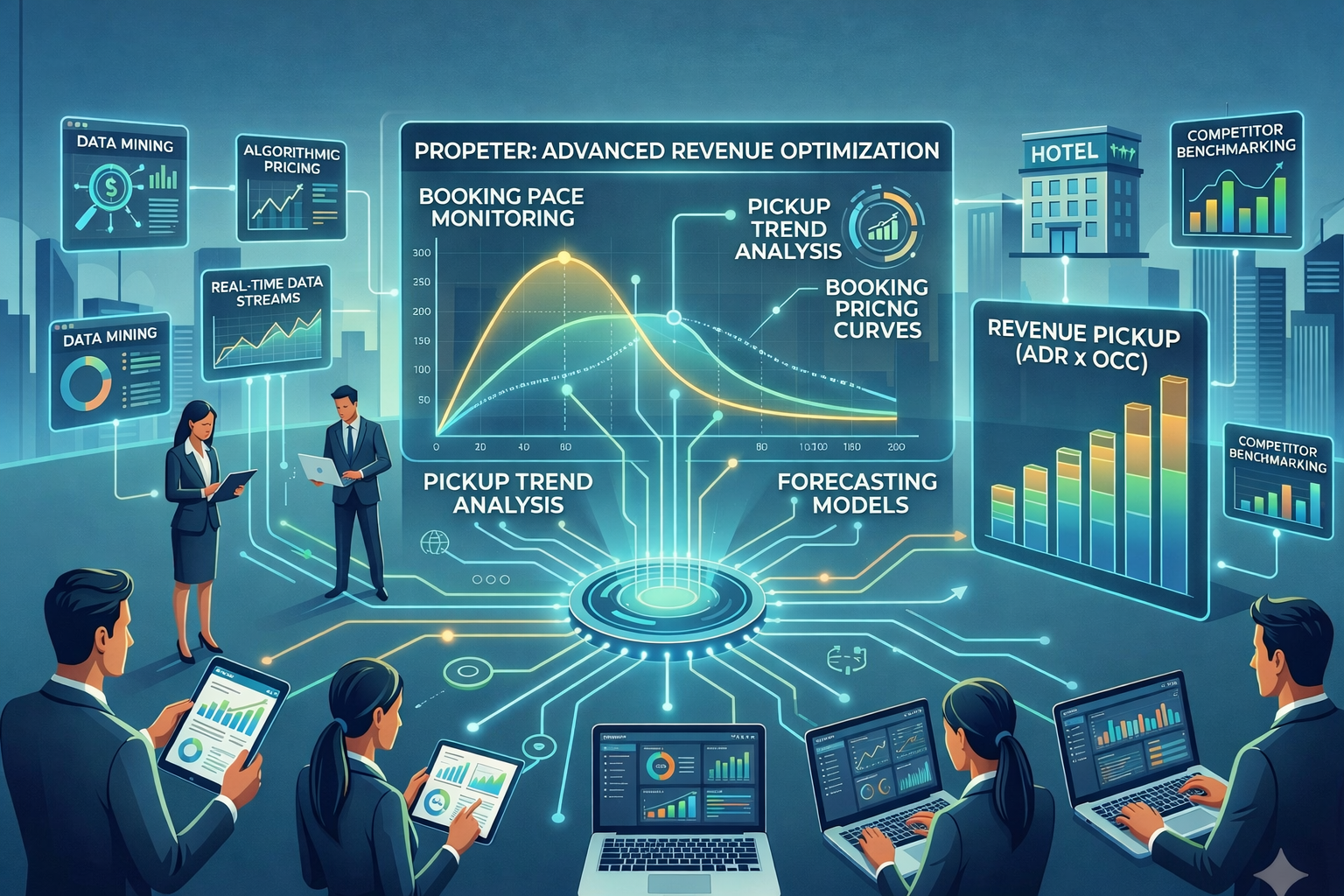
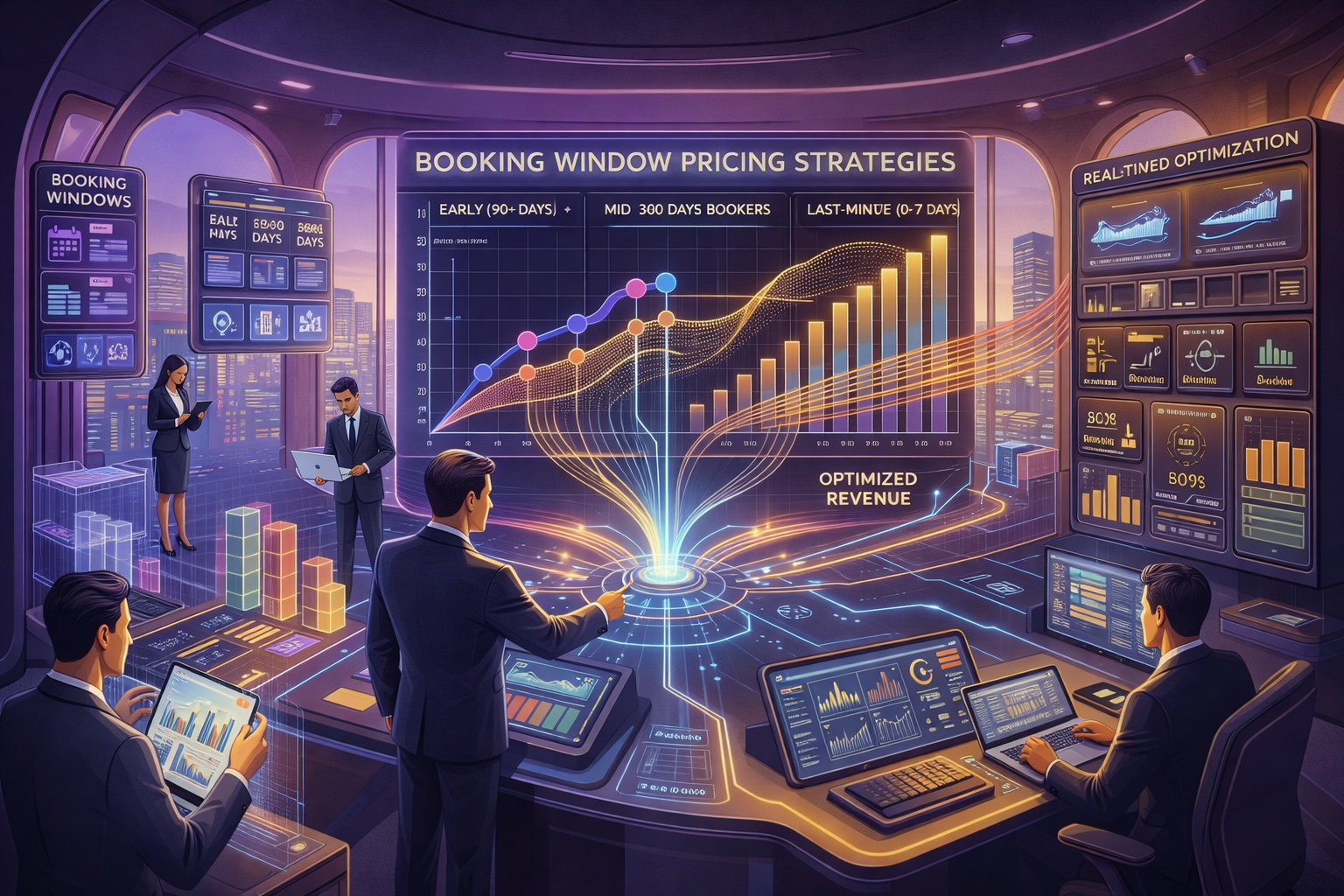
In hotel revenue management, when a guest books can be just as important as how much they pay.
The time between when a reservation is made and the guest’s arrival date is known as the booking window or lead time. Understanding booking window behavior allows hotels to apply different pricing strategies throughout the booking cycle.
Hotels that optimize pricing across booking windows can improve both occupancy and revenue performance. By adjusting prices for early bookings, mid-window bookings, and last-minute demand, hotels capture the maximum possible revenue for each night of inventory.
Booking window pricing is an important component of modern dynamic pricing strategies. For a deeper overview of dynamic pricing approaches, see our Dynamic Pricing for Hotels guide.
Booking Window Explained
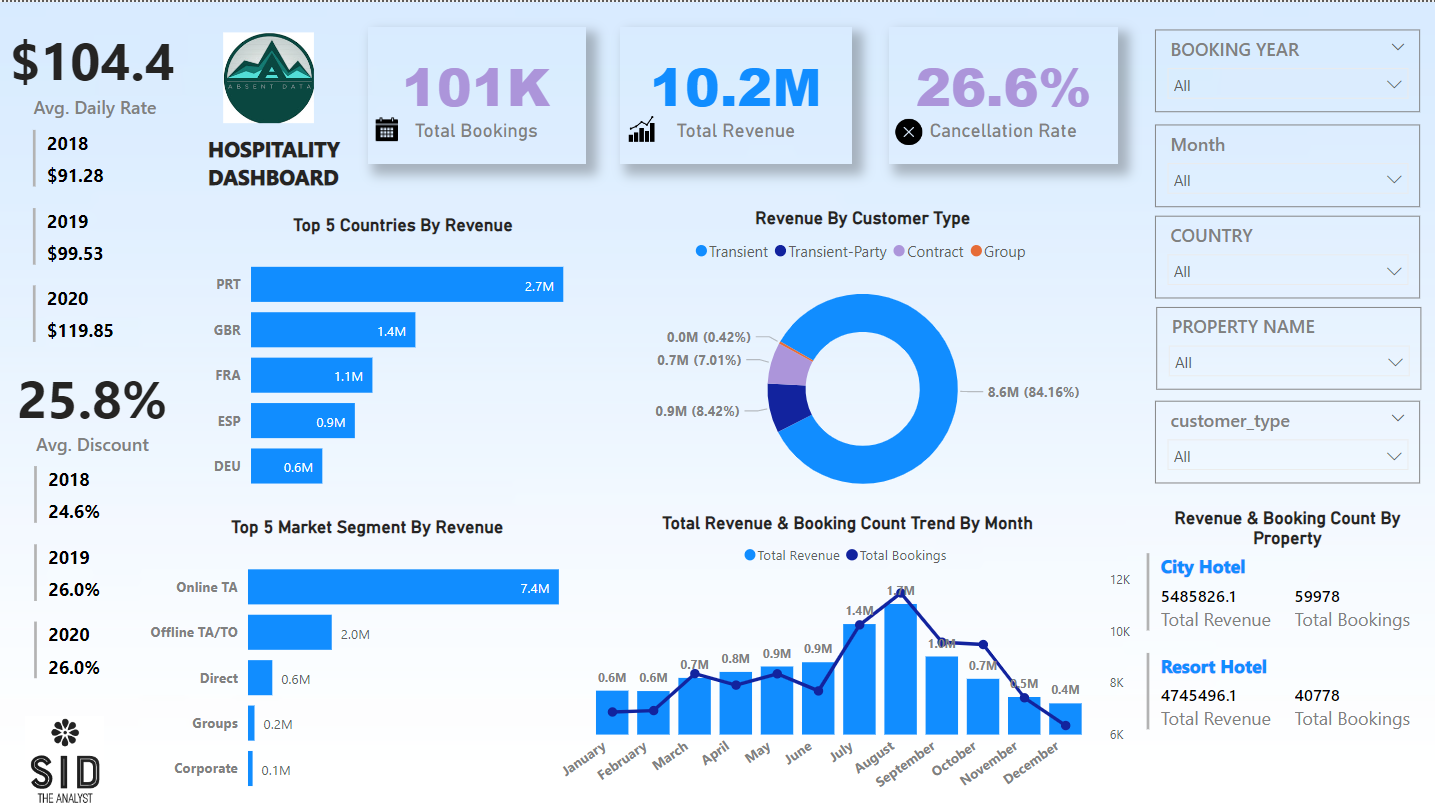
The booking window refers to the number of days between when a reservation is made and the guest’s arrival date.
For example:
- A reservation made 60 days before arrival has a 60-day booking window.
- A reservation made 1 day before arrival has a last-minute booking window.
Hotels often observe different booking behaviors depending on the type of traveler.
Typical patterns include:
- Leisure travelers often book weeks or months in advance.
- Corporate travelers frequently book closer to arrival.
- Event-driven guests may book very early or very late depending on availability.
Analyzing booking window patterns helps revenue managers predict demand and adjust prices accordingly.
Early Booking Discounts
Many hotels use advance purchase pricing to encourage guests to book early.
Early bookings provide valuable benefits for hotels:
- improved demand forecasting
- increased occupancy certainty
- better inventory planning.
To incentivize early reservations, hotels often offer discounted advance purchase rates with restrictions such as:
- non-refundable bookings
- limited cancellation options
- prepayment requirements.
Examples of advance purchase pricing strategies include:
- 10–20% discounts for bookings made 30 days in advance
- special early booking promotions for peak seasons
- bundled packages with early booking incentives.
Advance purchase pricing helps hotels secure base occupancy before high-demand periods.
Last-Minute Pricing
While early bookings provide stability, last-minute pricing strategies help hotels maximize revenue when demand increases closer to arrival dates.
Last-minute bookings are common in markets with strong business travel or spontaneous leisure demand.
Hotels often apply premium pricing for last-minute bookings when:
- occupancy is already high
- booking pace is accelerating
- local demand signals are strong.
However, during weak demand periods, hotels may reduce last-minute prices to fill remaining inventory.
Effective last-minute pricing requires continuous monitoring of demand signals and booking pace.
Segmentation by Booking Window
Different guest segments tend to book at different times, making booking window segmentation an important strategy.
Revenue managers often segment booking windows into categories such as:
Long Lead Time (30–90 Days)
Typically leisure travelers planning vacations or events.
Pricing strategy often includes:
- early booking discounts
- promotional packages
- advance purchase rates.
Medium Lead Time (7–30 Days)
This segment includes a mix of leisure and business travelers.
Pricing strategies often adjust dynamically based on occupancy and demand forecasts.
Short Lead Time (0–7 Days)
Often last-minute travelers or corporate bookings.
Pricing during this window depends heavily on current occupancy levels and demand signals.
Segmenting booking windows allows hotels to apply targeted pricing strategies for each stage of the booking cycle.
Dynamic Booking Window Optimization
Modern revenue management systems analyze booking window data to optimize pricing dynamically.
Instead of applying static pricing rules, intelligent pricing engines monitor booking pace and adjust rates automatically.
Dynamic booking window optimization typically includes:
- tracking historical booking patterns
- comparing current booking pace with historical averages
- adjusting prices when bookings arrive faster or slower than expected.
For example:
If bookings for a particular date are arriving faster than historical patterns suggest, the pricing engine may increase rates earlier in the booking cycle.
This approach ensures hotels capture higher revenue during strong demand while remaining competitive during slower periods.
To understand how pricing strategies influence revenue performance, explore our RevPAR Optimization Guide.
Why Booking Window Strategy Matters for Revenue
Booking window pricing helps hotels balance two important goals:
- Securing early demand
- Capturing premium pricing during high demand periods
Without booking window optimization, hotels may either:
- sell rooms too cheaply early in the booking cycle
- miss opportunities to increase prices when demand rises.
By analyzing booking behavior and applying dynamic pricing strategies, hotels can maximize revenue across the entire booking window.
Conclusion
Booking window pricing strategies play a critical role in modern hotel revenue management.
By understanding when guests typically book and adjusting pricing throughout the booking cycle, hotels can optimize both occupancy and revenue.
Effective booking window strategies include:
- offering advance purchase discounts
- applying dynamic last-minute pricing
- segmenting guests by booking lead time
- using data-driven pricing optimization.
When integrated with intelligent pricing systems and demand forecasting tools, booking window strategies become a powerful driver of hotel revenue growth.
Optimize Your Hotel Pricing Strategy
Discover how Propeter’s intelligent pricing engine analyzes booking window behavior and automatically adjusts room rates for maximum revenue.