
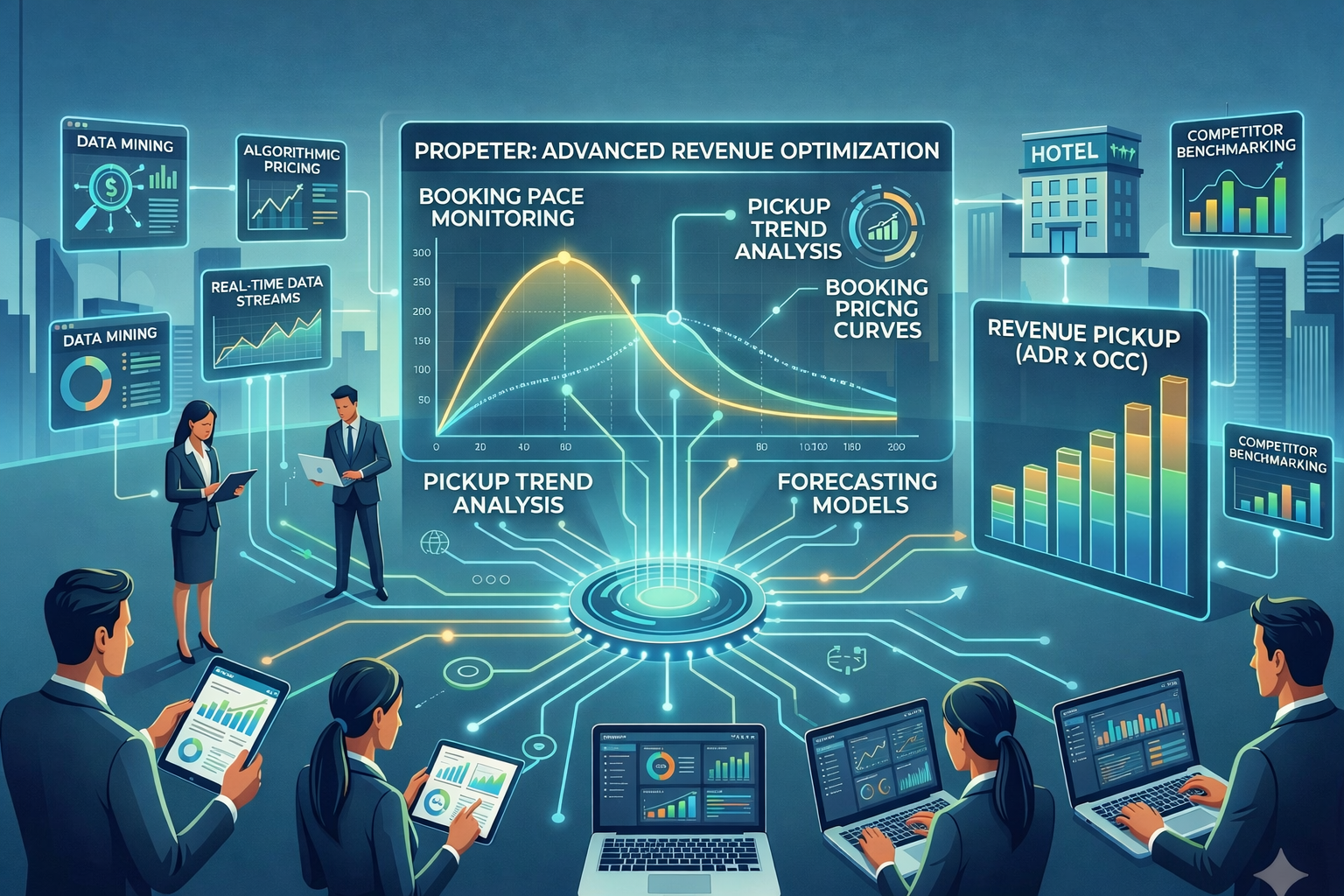
Booking pace analysis is a critical component of modern hotel revenue management. It helps hotels understand how quickly rooms are being booked relative to expected demand.
By analyzing booking pace, revenue managers can detect whether reservations are arriving faster or slower than historical trends, allowing them to adjust pricing strategies accordingly.
Booking pace insights help hotels anticipate demand changes early, ensuring that pricing decisions maximize revenue while maintaining competitiveness in the market.
Booking pace analysis is closely connected to demand forecasting strategies. For a broader explanation of forecasting models, see the Hotel Demand Forecasting Guide.
Booking Velocity
Booking velocity refers to the speed at which reservations accumulate over time for a specific arrival date.
Hotels measure booking velocity by tracking the number of reservations received during different booking windows.
For example:
| Days Before Arrival | Typical Occupancy |
| 60 days | 20% booked |
| 30 days | 45% booked |
| 14 days | 65% booked |
| 7 days | 80% booked |
These booking curves help revenue managers understand the typical pace at which rooms are reserved.
If bookings arrive faster than usual, it may indicate stronger demand. In such cases, hotels can increase room rates earlier to capture additional revenue.
If bookings are slower than expected, hotels may adjust pricing or marketing strategies to stimulate demand.
Booking velocity therefore acts as an early warning system for changing market conditions.
Pace vs Forecast Comparison
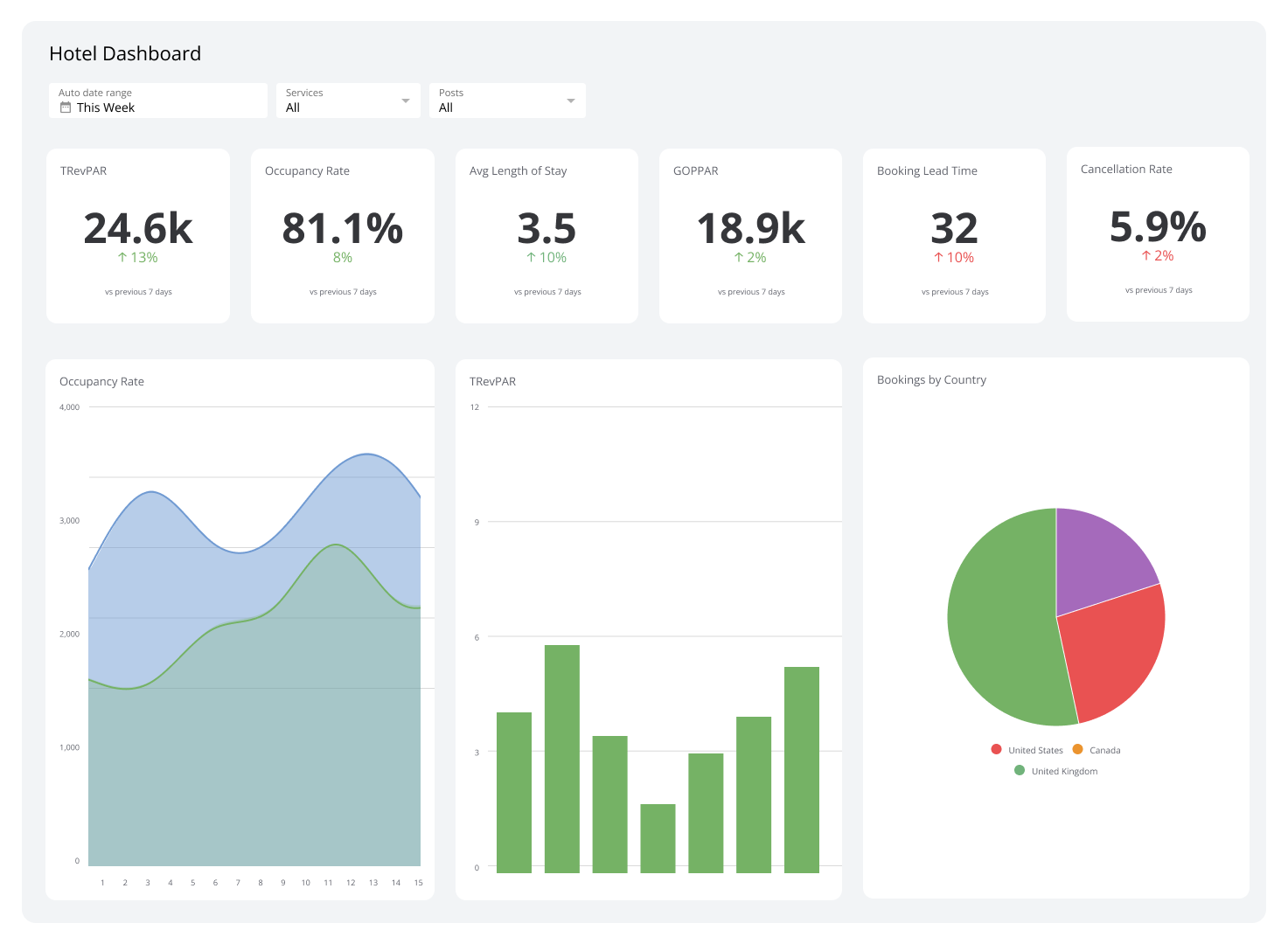
One of the most important uses of booking pace analysis is comparing current booking pace against forecasted demand.
Revenue managers often analyze:
- current bookings for future dates
- historical booking curves
- forecasted occupancy levels.
For example:
If the forecast predicts 60% occupancy 14 days before arrival but current bookings already show 75% occupancy, demand may be stronger than expected.
In this situation, revenue managers may increase room rates to capture additional revenue.
Conversely, if bookings fall below forecast expectations, hotels may need to adjust pricing strategies or increase marketing activity.
This pace-versus-forecast comparison allows hotels to make more responsive pricing decisions.
Demand Trend Detection
Booking pace analysis also helps hotels detect emerging demand trends earlier than traditional forecasting methods.
Sudden changes in booking velocity can indicate shifts in market demand.
Examples include:
- an upcoming event driving unexpected travel demand
- competitor hotels selling out faster than expected
- seasonal demand patterns changing.
By monitoring pickup pace signals, revenue management systems can detect these trends and recommend pricing adjustments automatically.
Modern revenue management platforms continuously analyze booking pace data alongside other demand signals such as competitor pricing and occupancy forecasts.
This allows hotels to react quickly to evolving market conditions.
Why Booking Pace Analysis Matters
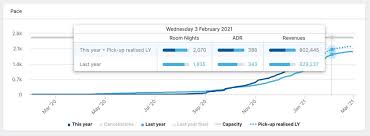
Booking pace analysis provides valuable insights that support revenue optimization strategies.
Hotels that monitor booking pace effectively can:
- detect demand spikes earlier
- adjust pricing strategies proactively
- optimize inventory allocation
- improve demand forecasting accuracy.
Without booking pace analysis, hotels may react too slowly to changing market conditions, leading to missed revenue opportunities.
Integrating booking pace analysis into a comprehensive revenue management strategy helps hotels maintain competitive pricing while maximizing revenue potential.
Conclusion
Booking pace analysis is an essential tool for understanding how demand evolves as arrival dates approach.
By monitoring booking velocity and comparing pace against forecasts, hotels can detect demand trends early and adjust pricing strategies accordingly.
Combined with demand forecasting and dynamic pricing systems, booking pace insights enable hotels to make faster and more accurate revenue decisions.
Hotels that effectively analyze pickup pace signals gain a powerful advantage in optimizing both occupancy and pricing performance.
Optimize Your Hotel Revenue Strategy
Discover how Propeter’s intelligent pricing engine analyzes booking pace signals and automatically adjusts hotel pricing to maximize revenue.